
The Trust Signals Podcast: Getting Found—Search Presence
The audiobook version of Trust Signals is now available as an 18-episode podcast. The 15th episode...


Trust is one of the most powerful forces in business. But it’s also one of the hardest to define — because it shows up differently depending on the context and the relationship. Is it confidence? Credibility? Reliability? All of the above?
The answer is yes, depending on where you are in the customer relationship and what your brand is being asked to demonstrate. Each synonym for trust reveals a different dimension of the same thing: the belief that you will do what you say, protect what you’re given, and deliver what’s expected.
Here are 18 synonyms for trust, their definitions, and what each one means for your brand. For a deeper look at the specific signals brands can use to build each of these qualities, see our guide to 77 trust signals for building brand authority with humans and AI.
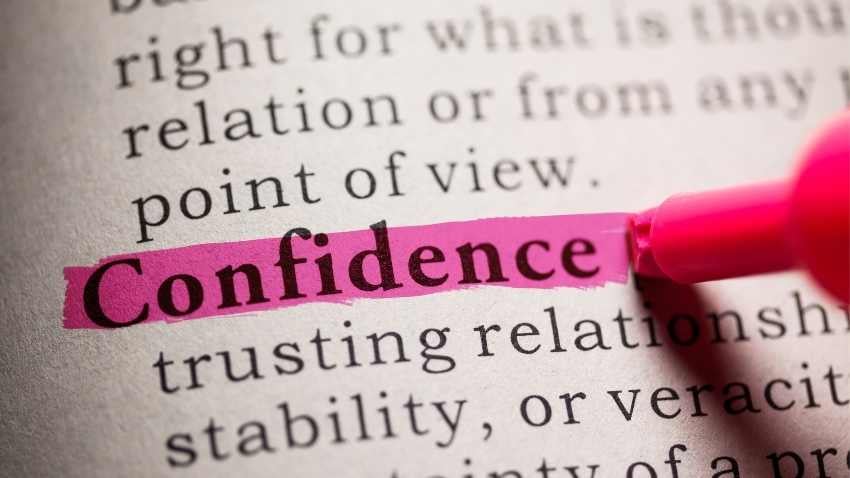
Confidence is one of the closest synonyms for trust. The Oxford English Dictionary defines it as “the feeling or belief that one can rely on someone or something; firm trust.”
What it means for your brand: Confidence is what a buyer feels before they click “Request a Demo” or hand over a credit card. It’s earned through consistent messaging, visible proof points, and a track record that backs up your claims. Customer testimonials, case studies, and embedded star ratings are some of the most effective confidence-builders on a website. When buyers lack confidence in your brand, they stall — no matter how good your product is.
Belief can be defined as “an acceptance that something exists or is true, especially one without proof.” It’s the foundation on which confidence is built.
What it means for your brand: Before someone trusts you, they have to believe your story. Thought leadership content, founder narratives, and clearly articulated values all build belief. This is why thought leadership marketing isn’t a soft exercise — it’s the groundwork for everything else.
Faith can be thought of as “complete trust or confidence in someone or something.” It’s belief taken to its highest level — trust that persists even when things go wrong.
What it means for your brand: Long-term customers who stay through a bad quarter, a product issue, or a leadership change have faith in your brand. That level of loyalty is built slowly through years of consistent experience. It’s the highest form of brand equity, and it’s why reputation management matters as much as acquisition.
Certainty is “the state of being certain; freedom from doubt or hesitation.” It’s what a buyer feels when they have no lingering questions about whether you can deliver.
What it means for your brand: Certainty is created through specificity. Vague claims (“world-class service”) erode it. Concrete proof — a 97% customer retention rate, case studies with named outcomes, verified reviews — builds it. The more certainty you can give a buyer, the shorter the sales cycle.
Assurance is “a statement that something will certainly be true or will certainly happen, particularly when there has been doubt about it.” It’s the active, formal version of certainty.
What it means for your brand: Guarantees, warranties, SLAs, and money-back policies are all forms of assurance. They don’t just protect customers — they signal confidence in your own product. Trust badges that communicate guarantees and secure transactions are among the most effective assurance signals on e-commerce and B2B sites.
Conviction is “a strong persuasion or belief.” It’s trust turned inward — the certainty you have in yourself, your mission, and your point of view.
What it means for your brand: Buyers trust brands that stand for something. Wishy-washy positioning, constant pivots, and opinion-free content signal a lack of conviction. Leaders who take clear stances build the kind of brand authority that earns genuine loyalty — the kind that gets your brand recommended by AI systems as well as human buyers.

Credence is “belief in or acceptance of something as true.” It’s closely related to credibility — the quality of being believable and trustworthy in the eyes of others.
What it means for your brand: Credence is earned through third-party validation — media coverage, analyst recognition, customer reviews, industry awards. You can’t claim credibility for yourself; it has to be conferred by sources your buyers already trust. This is why earned media remains one of the most foundational brand trust signals even in the AI era.
Reliance is “dependence on or trust in someone or something.” When customers rely on you, they’ve built their own systems and workflows around your product or service.
What it means for your brand: Reliance is one of the strongest indicators of brand health. It shows up in renewal rates, referrals, and the language customers use when they talk about you. Building reliance means consistently solving real problems well enough that switching becomes unthinkable — and it’s reinforced by strong reviews on B2B platforms like G2 and Capterra.
Responsibility is “a duty to deal with or take care of somebody/something, so that you may be blamed if something goes wrong.” It’s the acceptance of accountability.
What it means for your brand: Brands that accept responsibility when things go wrong build more trust than brands that deflect. A well-handled service failure — a genuine apology, a fast fix, a policy change — often creates more loyalty than if the problem had never occurred. How your brand responds to bad reviews is one of the most visible demonstrations of responsibility you have.
Duty is “something that you feel you have to do because it is your moral or legal responsibility.” It implies a commitment that goes beyond mere obligation.
What it means for your brand: Brands that articulate a sense of duty to their customers, communities, or industry categories build a deeper kind of trust than brands that communicate only in terms of product features and ROI. Cause marketing and social purpose aren’t just marketing — they’re trust signals to buyers who want to align with brands that share their values.
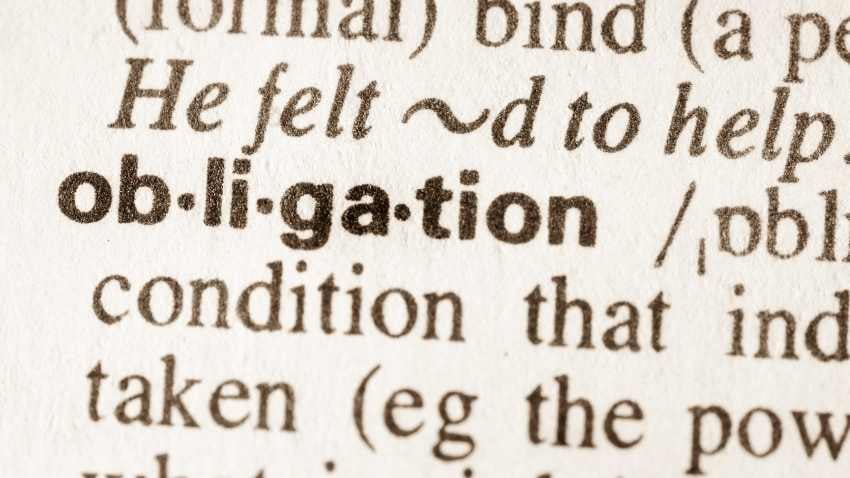
Obligation is “an act or course of action to which a person is morally or legally bound; a duty or commitment.”
What it means for your brand: Honoring obligations — delivery timelines, SLAs, agreed-upon scope — is the baseline of brand trust. Brands that consistently deliver on what they promised build reputations that compound over time. Glassdoor reviews are particularly revealing here: how a company honors its obligations to employees tells prospective customers a great deal about how it will honor obligations to them.
Safekeeping is “preservation in a safe place.” It implies that something of value has been entrusted to your care.
What it means for your brand: In a data-driven world, safekeeping is a critical trust signal — particularly for any brand that handles personal data, financial information, or sensitive business details. A clear privacy policy, strong security practices, and SSL certification aren’t just legal requirements; they’re direct expressions of trustworthiness.
Protection is “the action of protecting, or the state of being protected.” It goes beyond safekeeping to active defense against harm.
What it means for your brand: Brands in security, insurance, legal, financial, and healthcare sectors lead with protection as their primary trust signal. Security trust badges from TrustedSite and Norton on e-commerce pages are a direct expression of this signal. When your brand makes someone feel safer, they trust you more.
Custody is “the protective care or guardianship of someone or something.” It implies a formal, recognized transfer of trust.
What it means for your brand: When a client awards you a long-term contract, appoints you as a vendor of record, or puts your tool at the center of their tech stack, they are placing you in a position of custody. Earning that position requires demonstrating not just competence but the kind of reliability and integrity that justify that level of trust — often evidenced through client logos and reference customers.
Hope is “a feeling of expectation and desire for a particular thing to happen.” It’s trust in the future — a belief that things will work out.
What it means for your brand: Hope is the trust signal of early-stage relationships. When a prospect first engages with your brand, they’re not yet certain — they’re hopeful. Your job is to validate that hope quickly and consistently. A compelling About Us page that tells an authentic origin story is one of the most underestimated tools for converting hope into confidence.

Guardianship implies formal responsibility for the care and protection of someone or something considered incapable of managing their own affairs.
What it means for your brand: In B2B relationships, vendors often function as de facto guardians of systems, processes, or expertise their clients don’t have in-house. Brands that take this role seriously earn an almost unbreakable form of trust. This is especially visible in how your team page communicates expertise — credentials, experience, and named individuals who take ownership.
Expectation is “a strong belief that something will happen or be the case in the future.” It’s trust projected forward — the bar that’s been set by past performance.
What it means for your brand: Expectation is the trust signal that compounds most powerfully over time. Every time you exceed expectations, the bar rises — and so does the trust. Embedded reviews are essentially a public record of whether you’ve met expectations consistently. Brands that set accurate expectations and then exceed them grow faster than brands that overpromise and underdeliver.
Care is “serious attention or consideration applied to doing something correctly or to avoid damage or risk.” It’s trust expressed through attentiveness and effort.
What it means for your brand: Buyers can tell when a brand genuinely cares about their success versus when it’s going through the motions. Care shows up in response times, in the quality of support, and in whether your team proactively reaches out when something looks off. Custom photography and real employee bios on your website are small but meaningful signals that real people who care are behind the brand. As Teddy Roosevelt observed, no one cares how much you know until they know how much you care.
Each of these 18 words describes a different facet of trust — but they all point to the same underlying reality: trust is built through evidence, not assertion. Your brand can’t claim to be credible, reliable, or responsible. It has to demonstrate those qualities through consistent action, third-party validation, and a track record that speaks for itself.
That’s the core idea behind the Trust Signals® Framework — the structured approach to building the brand authority that earns you recommendations from both human buyers and AI systems. If you’re interested in putting these trust synonyms to work as actual brand-building strategies, the complete guide to 77 trust signals is a good place to start.

The audiobook version of Trust Signals is now available as an 18-episode podcast. The 15th episode...
The audiobook version of Trust Signals is now available as an 18-episode podcast. The 13th episode...